Source PC Film for Decorations, Flooring, and Packaging
Compare 30 PC film listings from Jiangsu, China, featuring thicknesses from 0.05mm to 2mm and custom sizes. Buyers can evaluate options for decorations, flooring, and flexible packaging applications with varying hardness and transparency levels; compare the available evidence and request quotations based on your requirements.
Key considerations
Products List




Comprehensive Sourcing Guide
PC Film Sourcing Guide
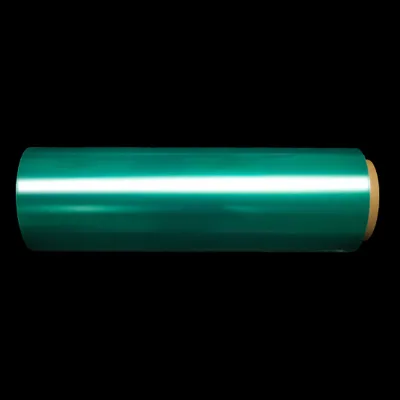
Procuring PC film requires distinguishing between rigid polycarbonate sheets and flexible PVC variants often mislabeled in global listings. The observed data indicates a complex market where "PC" and "PVC" materials appear alongside bubble films and insulation tapes, necessitating strict definition of the physical form factor before engagement. Buyers must verify whether the supplier offers solid sheets for structural applications or flexible films for lamination and decorative purposes, as the processing methods and performance profiles differ significantly between these categories.
Commercial listings reveal a wide price variance from $0.10 to $1,200, driven by thickness ranges from 0.05mm to 2mm and custom sizing capabilities. This disparity suggests that cost is heavily influenced by the specific molding method, such as blow molding or calendering, and the intended application, whether for flooring, electrical insulation, or general packaging. Sourcing strategies must account for these variables to avoid confusion between high-performance rigid covers and flexible decorative films, ensuring the selected material aligns with the specific mechanical and aesthetic requirements of the end product.
Product Scope and Observed Listing Signals
The product landscape includes diverse items ranging from custom-cut polycarbonate sheets to flexible PVC films and bubble wrap, all potentially categorized under broad film searches. Listings explicitly mention applications in decorations, flooring, lamination, and electrical adhesive tape, indicating that the term "PC film" often encompasses a spectrum of plastic solutions rather than a single material type. Buyers must scrutinize the material attribute to confirm if the item is genuine polycarbonate or a PVC alternative, as the hardness, transparency, and molding methods vary drastically between these distinct plastic families.
Observations show that suppliers offer customization in thickness, width, and packing formats like rolls, cartons, or pallets, with some items available as single units and others in bulk. The presence of specific models like "Wel-Peel S" and "plastic mold for pc cover" highlights a market segment focused on specialized industrial components rather than generic consumer goods. Procurement teams should prioritize suppliers who clearly define the molding method, such as extrusion or die casting, to ensure the product matches the intended manufacturing process, whether for automotive parts, household appliances, or electronic hardware.
Technical Specifications to Verify
Thickness and dimensional tolerances are critical parameters, with observed ranges spanning from 0.04mm to 2mm and widths up to 2200mm. Buyers must verify the exact thickness specification against their design requirements, as the difference between a 0.05mm flexible film and a 2mm rigid sheet dictates the structural integrity and flexibility of the final assembly. The data indicates that some products are defined by average wall thickness exceeding 3mm, which contradicts the thin film specifications, requiring careful validation of the physical dimensions to prevent specification mismatches in production.
Material properties such as hardness, transparency, and surface treatment must be confirmed to ensure compatibility with downstream processes. While some listings describe soft, transparent materials suitable for lamination, others specify high hardness values or heat treatment processes for metal molds, suggesting a mix of soft films and rigid components. Verification of the surface treatment, such as heat treatment or specific molding methods like blow molding, is essential to guarantee that the film or sheet can withstand the intended application environment, whether for insulation, printing, or decorative flooring.
Compliance and Safety Documentation
Regulatory compliance is a primary concern, with observed certifications including CE, FCC, REACH, RoHS, and EN71, alongside standards like GB and ISO9000. Buyers should request specific test reports to confirm that the material meets the safety requirements for their target market, particularly for applications involving household appliances, electronics, or food-related packaging. The presence of multiple standards suggests that suppliers may cater to different regional regulations, necessitating a clear request for documentation that validates the product against the specific safety and environmental standards required for the intended use.
Safety data sheets and material composition reports are vital for verifying the absence of hazardous substances, especially when the product is used in consumer-facing applications. The observed HS Code 39204300 indicates a specific classification for plastic sheets and films, which may trigger specific import duties or regulatory checks depending on the destination country. Procurement teams must ensure that the supplier provides up-to-date compliance certificates that align with the latest international standards, particularly for products labeled as transparent or soft, to mitigate risks associated with non-compliant materials in the supply chain.
Cost Drivers and Commercial Terms
Pricing is influenced by material type, thickness, and the complexity of customization, with observed ranges reflecting the diversity from simple rolls to complex molded components. The cost structure often includes factors such as the molding method, whether it is extrusion, calendering, or blow molding, and the specific processing services like cutting or heat treatment. Buyers should analyze the unit price relative to the thickness and width specifications, as thinner films may have different cost dynamics compared to thicker, custom-molded parts, and should request detailed quotes that break down these variables.
Commercial terms such as MOQ, lead time, and shipping conditions vary significantly, with observed lead times within 15 days and MOQs ranging from 1 to 10,000 units. The flexibility in selling units, from single items to bulk pallets, allows for tailored purchasing strategies, but buyers must clarify the minimum order requirements to avoid unexpected costs. Additionally, the availability of free samples and the specific packing methods, such as steel boxes or rolls, should be factored into the total landed cost calculation to ensure the procurement plan remains within budget while meeting production schedules.
Supplier Qualification and Quality Control
Supplier qualification should focus on their ability to provide consistent quality across different material types, from rigid PC covers to flexible PVC films. The presence of certifications like ISO9000 and specific standards like GB suggests a baseline of quality management, but buyers must verify the supplier's track record in delivering custom-molded products with precise dimensions and surface treatments. It is crucial to assess the supplier's capacity for automatic demoulding and their experience with different molding methods to ensure they can meet the specific technical requirements of the project.
Quality control processes must include rigorous testing of material properties, such as hardness, transparency, and thickness consistency, to prevent defects in the final product. Buyers should request evidence of quality control measures, including in-process inspections and final product testing, to ensure that the supplied film or sheet meets the specified standards. The ability to provide customized solutions, such as specific thicknesses or widths, should be validated through sample testing and review of the supplier's production capabilities to guarantee that the final output aligns with the design specifications.
Long-Term Procurement Checks
Establishing a long-term partnership requires regular audits of the supplier's production capabilities and adherence to evolving standards. Buyers should monitor changes in material specifications, such as updates to thickness tolerances or surface treatments, to ensure continued compliance with product requirements. The dynamic nature of the plastic industry, with varying standards like EN71 and REACH, necessitates ongoing communication to verify that the supplier remains up-to-date with regulatory changes and can adapt their production processes accordingly.
Supply chain resilience is critical, particularly given the observed lead times and the potential for variability in material availability. Buyers should develop contingency plans that account for fluctuations in production capacity, especially for custom orders involving complex molding methods or specific thickness ranges. Regular review of the supplier's performance metrics, including delivery times, defect rates, and responsiveness to customization requests, will help maintain a stable supply chain and ensure that the procurement strategy remains effective over the long term.
FAQs
What materials are used for pc film products?
The primary materials used for these films are polycarbonate (PC) and PVC. These materials are selected for their durability and flexibility, allowing for various applications such as decorations, flooring, and flexible packaging. The films are available in transparent finishes with soft hardness, ensuring they meet diverse industrial and consumer needs effectively.
What thickness options are available for pc film?
Thickness options range from 0.05mm to 2mm for standard PC films. Specific product models offer thicknesses between 0.05mm and 0.22mm. These variations allow buyers to select the precise gauge required for their specific application, whether it involves insulation tape, electrical adhesive tape, or other specialized industrial uses.
Can pc film be customized for specific needs?
Yes, customization is available for these products. Buyers can request specific sizes and processing services, such as cutting, to match their exact requirements. The films are produced using methods like blow molding and calendering, ensuring that the final product meets the unique specifications and dimensions desired by the purchaser.
What certifications do these pc film products hold?
These products hold several key certifications including CE, FCC, REACH, SGS, and RoHS. They also comply with GB standards and ISO9000 quality management systems. These certifications ensure that the films meet international safety and environmental standards, making them suitable for global markets and regulated industries requiring strict compliance.
How are pc film products packaged for shipment?
Products are packaged in rolls, cartons, or pallets depending on the order size and specific requirements. Some specialized items may be packed in steel boxes for added protection. This flexible packaging approach ensures that the films remain secure and undamaged during transit, facilitating efficient logistics and handling for international shipments.
What is the typical lead time for pc film orders?
The typical shipment lead time is within 15 days. This timeframe allows for efficient processing and dispatch of orders. Buyers can expect timely delivery for most standard requests, ensuring that production schedules are maintained. This quick turnaround supports just-in-time inventory management and reduces waiting periods for essential materials.